
The Sipaliwini Savanna
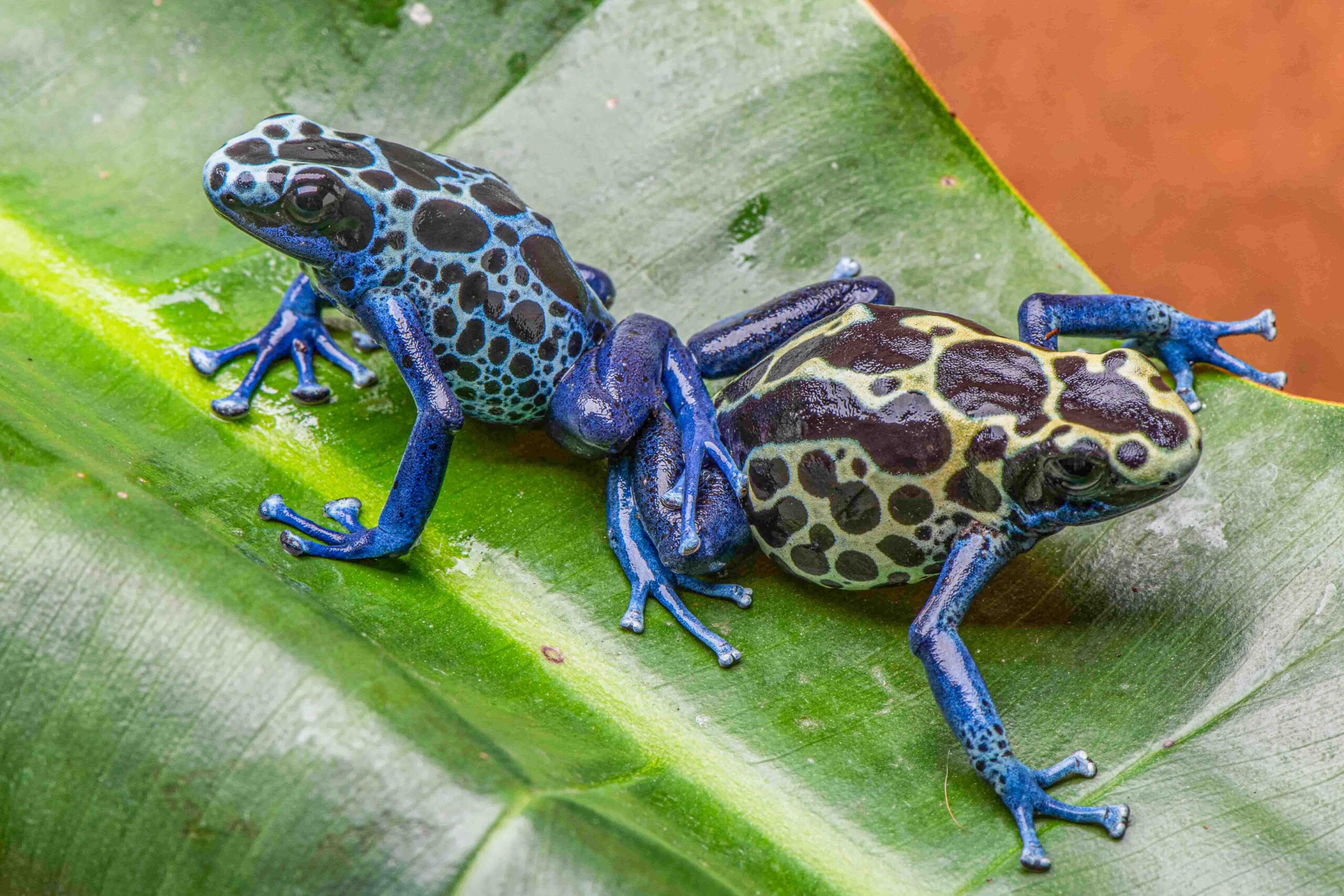
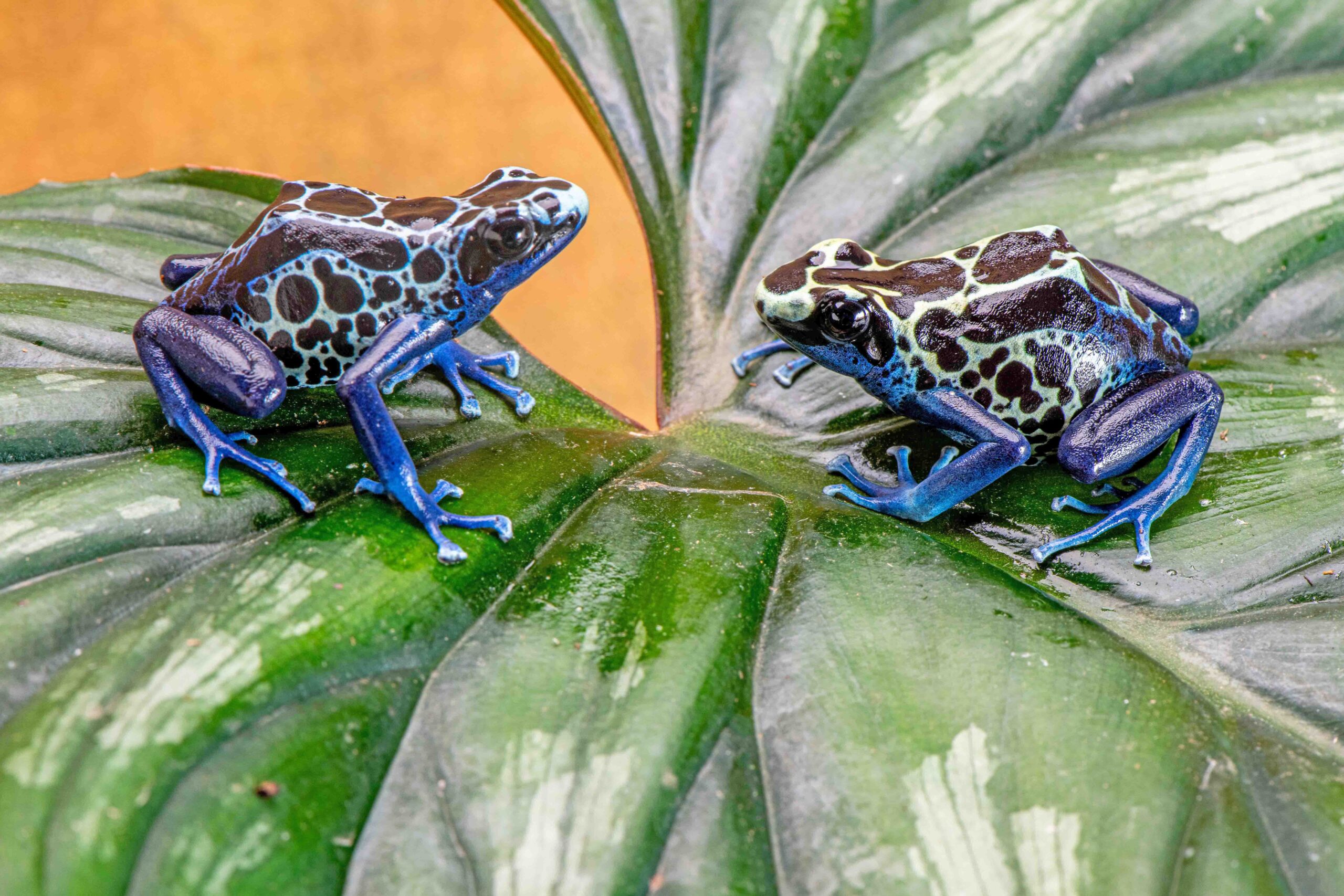
The Sipaliwini Savanna is in southern Suriname, and extends over the border, into neighboring Brazil. It is apparently an area that is in a transitory process, between full rainforest and grasslands. The area is primarily grasslands, but is dotted with rainforest “islands”, pockets of rainforest separated each other. This is the perfect environment for creating different morphs of dart frogs, and that may very well be what has happened here, creating frogs as diverse as “Azureus”, “True Sipaliwini”, and the Blue, Green and Yellow forms of Sipaliwini tinctorius. Or has it? Follow along for a little journey into the challenges of determining what locale a dart frog originates from, and how the confusion is created.
The First Sipaliwini Tinctorius
I got my first Sipaliwini tinctorius in 1998. A friend of mine went to the big annual reptile show held in Florida, now held in Orlando. He called me from the show, excited that there were these new tinctorius there at the show. I agreed to have him bring back a pair, and thus I got my first look at what was being called “Green Sipaliwini” tinctorius. (At times they have also been called “Green Leopards” and likely a few other things!) They were gorgeous, with vibrant yellowish green markings that covered most of the back and flanks. I always thought the color was close to that of tennis balls, maybe a shade more green.
Anyway, at that time, I kept in touch with some of the people who were familiar with the animal trade between Suriname and the US, and had an interesting conversation at one point about the Sipaliwini morphs. This was Marcus Breece who related this to me, for those of you who know who that is. Marcus informed me that his initial inquiries to the exporters in Surinam as to the collection site of these frogs was met with a polite refusal. Marcus explained to me that this was common, since the Amer-Indians who collect these frogs do not share this information, since they regard these collection sites as a resource to be protected. He claimed that after some pressure, and continued questions, the exporter threw out the idea that they had been collected in the Sipaliwini Savanna area. Marcus claimed that the fact that they had given this area as the collection site most likely meant that they could have come from many places, but not Sipaliwini Savanna.
Remote and Unexplored
To date, I don’t think anyone in the dart frog hobby really knows. The Sipaliwini Savanna is a very remote area, and best accessed by helicopter, or at least that is what I was told 20 years ago or so. I’m sure by now, access is a bit easier, but it is still a long journey to reach this area. It’s a large area, at a minimum it is around 400 square miles, so thoroughly cataloguing the morphs of dart frogs that occur there would be a time consuming effort.
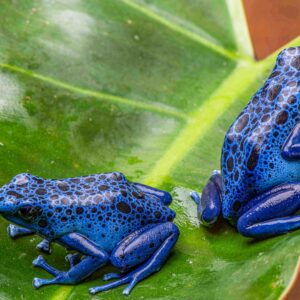
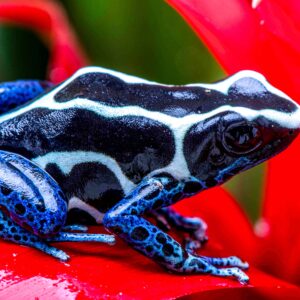
Over the years a lot of different frogs have come in to the hobby bearing the Sipaliwini label. All of them are similar in their pattern, (except, I guess, the “True Sipaliwini) but the frogs colors vary from the original Green morph, to a Yellow form that has been available here, and then these “Blue” Sipaliwini. Some of the Greens,(like my original pair) when bred, produce nothing but little carbon copies of themselves, with the full greenish yellow coloring. Others, which typically are less solid in their green coloration, having more of a netting of green, produce offspring which are somewhat variable. The Blue Sipaliwini form are highly variable, with offspring that range from yellowish, creamy, light blue and dark blue. I’ve also seen solid blue offspring produced by Green Sipaliwini that looked basically like very fine spot azureus! The last time I saw this, the poor guy that produced them told me he got thrown off a facebook group, which accused him of “hybridizing” his frogs.
More Confusion!
As an added bit of information, I found a post on Dendroboard in which a Dutch hobbyist claimed to have visited the locality of Green (and Yellow) Sipaliwini, and it was in eastern Suriname, although he wasn’t more specific. He maintained that these two frogs (the green and yellow sips) are the same population, with some specimens just more yellow saturated. The Blue Sips are nowhere near this locale. One point I would make to this is that eastern Surinam is where the Lawa form of tinctorius come from, and they are very similar in pattern to the Sipaliwini, and the color of specimens I’ve seen vary from greenish yellow to a more standard yellow. I’ve seen it stated in online morph guides that the Lawa form is smaller than the Green Sipaliwini morph, but I have to say I disagree, although that is based on a relatively small sample size. I have a pair of WC Lawa form tinctorius, and the female is absolutely huge. It’s all pretty confusing!
While scouting around on the internet for more information on populations of Dendrobates tinctorius, I’ve found a few interesting sources of information, but the most exhaustive “morph guide” for these frogs I have found is a Swiss site. It is not well configured for searches so it is hard to find, but here is the link to it- Tinctorius Morph guide
Please do not order dart frogs without becoming familiar with their care. We provide full care instructions on the Dart Frog Care Sheets page, if you are a beginner with dart frogs, please read through this information, and feel free to ask any questions, we are happy to help.
Dart frogs are shipped via FedEx Priority Overnight, live arrival guaranteed! The charges for this, ($49) will be added to your cart automatically. This charge covers any number of frogs. Select items can be added to your order, and shipped with your frogs at no additional cost. These items are listed under the Bundle and Save category. See our Conditions & Guarantees page for more info.
Reviews
There are no reviews yet.